


Take the heat, air quality seriously
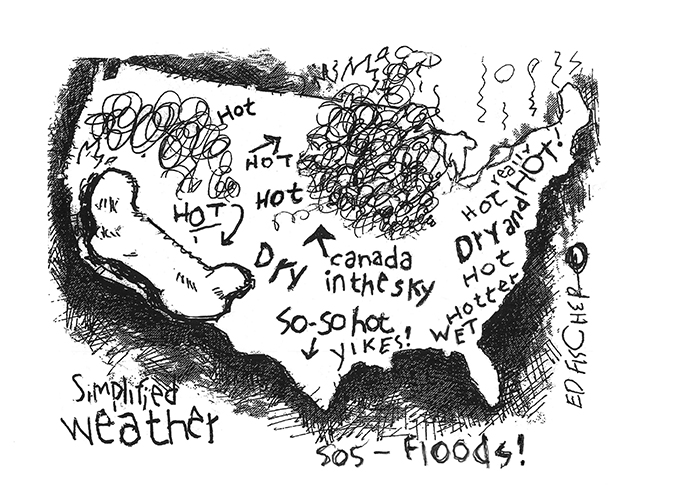
As this edition of the Dodge County Independent goes to press on Tuesday, the National Weather Service is forecasting southern Minnesota to be facing the hottest temperatures of the season. The state has also seen an increasing number of days under air quality alerts, some because of fires raging in Canada and others because of high ozone levels.
Highs are expected to be well into the 80s and some 90s. Because of higher humidity levels heat indices of 95 to 100 can be expected.
For this week it did seem that the air quality alert levels might avoid southeastern Minnesota, reaching as far south as the southern metro area.
One thing seems certain, however, the weather locally will moderate in a few days and return to more comfortable temperatures. But when looking at what is going on locally, nationally, and globally, it is obvious weather and climate patterns are changing.
Excessive heat is hazardous to everyone, but especially to vulnerable populations, especially young children and infants, older adults, those with chronic medical conditions, and pregnant women. When you look at those groups you realize they include a good chunk of the population.
Everyone, whether in a vulnerable group or not, should take basic steps during hot weather.
Stay in an air-conditioned indoor location as much as possible.
Drink plenty of fluids even if you don’t feel thirsty.
Schedule outdoor activities carefully. Wear lightweight, loose-fitting clothing and sunscreen and pace yourself.
Take cool showers or baths to cool down.
Check on friends and neighbors.
Never leave children or pets in cars.
Check the local news for health and safety updates.
This information from the Centers for Disease Control and Prevention (CDC) is good for everyone to follow.
Know the signs of heat cramps, heat exhaustion, and heat stroke.
Heat cramps can be the first sign of a heat-related illness and may lead to heat exhaustion or heat stroke.
Symptoms can include painful muscle cramps and spasms usually, in the legs and abdomen and heavy sweating. Put pressure on cramping muscles or gentle message to relieve spasms. Seek immediate medical attention if cramps last longer than an hour.
Heat exhaustion symptoms include heavy sweating, weakness or tiredness, cool, pale, clammy skin; fast, weak pulse, muscle cramps, dizziness, nausea or vomiting, headaches.
Move the person to a cooler environment, preferably air conditioned, loosen clothing, apply cool, wet cloths or have person sit in a cool bath, and offer sips of water. If a person vomits more than once, or symptoms worsen or last longer than one hour seek immediate medical attention.
Heat stroke symptoms include a throbbing headache, confusion, nausea, dizziness, body temperature above 103 degrees, hot, red, dry or damp skin, rapid and strong pulse, fainting, loss of consciousness.
Heat stroke is a severe medical emergency, either call 911 or get victim to hospital immediately.
This is all good advice to follow.
And don’t forget about our four-legged friends.
First, of course, is to never leave your pets in a parked car, not even for a minute with the air conditioner running. On a 85-degree day, as an example, the temperature inside a car with the windows opened slightly can reach 102 degrees within 10 minutes. Within 30 minutes the temperature will reach 120 degrees.
But also limit exercise on hot days. Take your dog for their walks early in the morning or later in the evening when temperatures are lower. Asphalt gets very hot and can burn a pet’s paws, so walk on grass if that is possible. Also, always carry water to keep your dog from dehydrating.
Anytime your pet is outside, make sure they have a shady place to rest and have plenty of fresh, cold water. Add ice to water, if possible, in a heat wave and remember that doghouses do not provide relief from the heat. They actually make the heat worse.
Excessive heat spells are a part of summer, but as we approach the hottest time of the year, it never hurts to review safety precautions and take them seriously.