


State decrees no birds at county, state fair
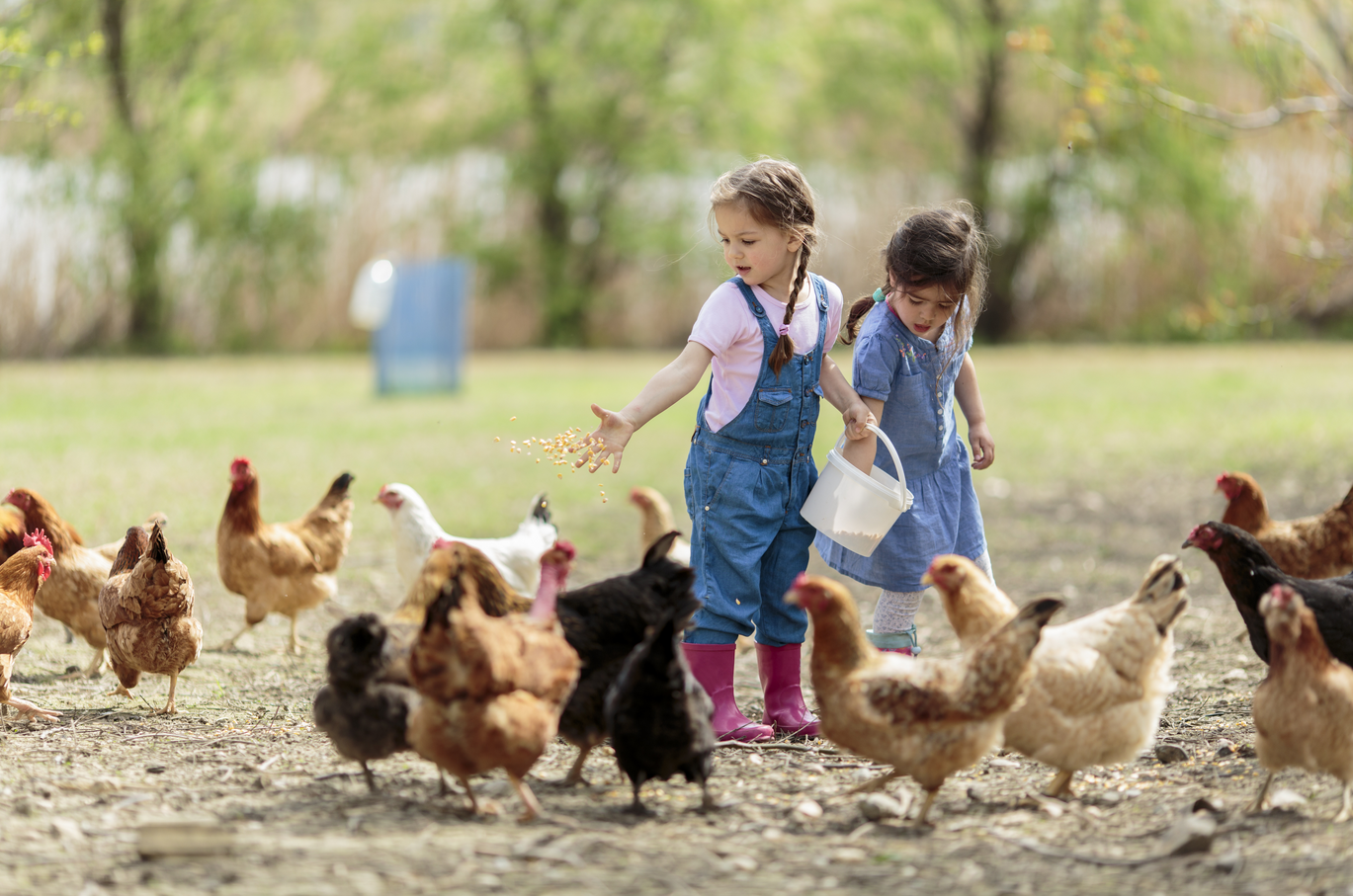
Cry foul if you must, but there will be no fowl at summer events in Minnesota.
The Minnesota State Fair last week cancelled its poultry show for the 2015 fair and the Minnesota Board of Animal Health took it one step further by canceling all bird exhibitions at county fairs, the state fair and other events.
The Board of Animal Health directive is effective through the end of 2015 and also prohibits birds from being included in swap meets, exotic sales and petting zoos.
The ban will affect both the Dodge and Steele County fairs this summer as both have poultry exhibits through the 4-H programs.
There is no open poultry class at the Steele County Free Fair, fair spokesman Todd Hale said last week, adding that the ban would also affect the petting zoo at the fair.
The same is true in Dodge County where there is no open class for poultry but in the past the fair has had a petting zoo along with the 4-H exhibit of poultry.
The statewide ban is a result of an epidemic of H5N2, a highly pathogenic avian influenza. Since March 5, nearly 90 Minnesota poultry farms, including one in Steele County, have been impacted by the virus. The ban is to minimize the risk of potential further spread of the H5N2 virus.
“Taking this step makes sense” said Dr. Beth Thompson, assistant director of the Minnesota Board of Animal Health. “We need to do everything possible to get rid of this virus and preventing the commingling of birds from different farms is one way to do that.”
The biggest impact of the ban is likely to be among 4-H members.
“University of Minnesota Extension 4-H’s priority is youth and their learning experiences,” said Brad Rugg, Extension 4-H and State Fair and Animal Science program director.
“Some 4-H’ers will be disappointed that they won’t be able to show their poultry projects at fairs this summer, but we’re exploring alternate learning opportunities to offer them at fairs and will share more details as plans develop.”
Part of 4-H’s job is to develop the next generation of agriculture leaders, he said, and that includes teaching youth the best practices to ensure the health and safety of the animals they raise and this event is that learning being put into action in the real world.