


Saving lives
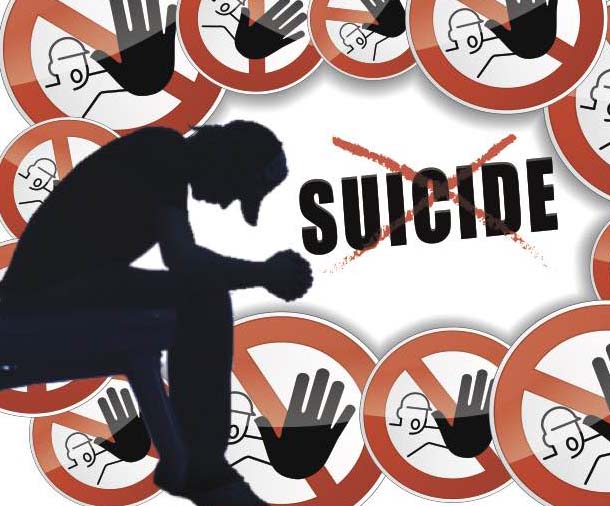
Ever since Robert Sikel’s teenage son committed suicide six years ago, Sikel has focused on channeling his pain and suffering towards helping others.
Sikel has turned his passion for life into saving the lives of complete strangers. Shortly after his son’s death, Sikel founded the Open Arms Yellow Ribbon, a suicide prevention program throughout Dodge and Steele counties as well as other areas.
And during National Suicide Prevention Month in September, Sikel is focused on getting the word out about preventing suicide. Earlier this month, he organized the annual Jacob’s Run, a motorcycle ride to raise money and build awareness for the Open Arms program.
“Our emphasis is always on prevention,” Sikel said. “Our main message is that it’s okay to ask for help.”
Sikel’s son, Jacob, was 15 when he latched onto Adderall pills from a friend and overdosed on them. “Jacob took his life, but I know he didn’t want to,” Sikel said. “That’s my biggest drive—I know that Jacob wasn’t depressed,” he added.
He remembers the day all too well. As he came up to his residence south of Claremont, Sikel’s girlfriend met him at the end of the driveway balling her eyes out. He knew it wasn’t good. “I said, ‘he’s gone,’ and I blacked out,” he said, noting he crashed his motorcycle and ran over him a couple of times.
Suicide has increased nationally by almost 30 percent over the past 20 years, according to Mary Harders, crisis response practitioner with South Central Human Relations. She said suicide has always been a problem as it’s one of the leading causes of death for people ages 10-40.
Dodge County saw a dramatic spike in suicides last year, according to numbers provided by the Dodge County Sheriff’s Office. In 2017, there were six suicides compared to three in each of the previous two years. So far this year, the sheriff’s office has handled two suicides.
The sheriff’s office also tracks suicide threats and attempts. Last year deputies responded to 71 threats and eight attempted suicides compared to 59 threats and 13 attempts the previous year. Through August, there have been 42 threats and eight attempts.
A big part of the problem that Harders and other professionals are noticing is that people are self-treating themselves with alcohol and other drugs. “They are using alcohol to numb the feelings they are having,” Harders said, adding people find it a lot more acceptable to take part in recreational drug use.
Major reasons people commit suicide, Harders said, are because of major life changes and suffering with health issues as well as chronic pain.
Mental health is an underlining problem in most suicide attempts. More than 16 million Americans have reported major depression. “It’s pretty significant,” Harders said. “People suffering with depression have steep problems,” she pointed out.
Harders said it’s important for people to know that help is available. “There shouldn’t be any shame in getting help,” she said.
The awareness of youth suicide has become more prevalent in recent years, Harders said. Part of the problem, she says, is that youth communicate differently than they used to, adding increased pressure on them. Social media is a big catalyst to the way youth communicate and adds a lot of dynamics to the situation, she noted.
While Harders has noticed more people getting connected to outside resources, she also is finding that many still don’t get the professional help they need. “They need to seek help before they feel suicidal,” she said. She added there are many more options available to people than what they may think.
There are 24-hour crisis services in every county in Minnesota. In addition, schools have social workers and therapists to help youth. A national text line has also been established in recent years in which people can text 741741 for help. “There are a lot of resources, but people struggle to access those services,” Harders said.
As Sikel provides suicide prevention to schools around the area, he likes to remind people that “you are someone’s one and only.” He does about seven presentations each year.
One of the things Sikel continues to fight in his quest to combat suicide is the stigma that it shouldn’t be talked about. “The only way to prevent it is to talk about it,” he says.
Sikel reminds people that he is not a professional counselor. “We talk from our hearts,” he said. “It feels like we are getting through to people.”
He is concerned about the prevalence of Social Media, especially Facebook with the younger people 20 and under. “Facebook is really burying them,” Sikel said. “Their social skills are going down. Kids would rather text and type than have a conversation.
“Social media is ruining us. When you don’t know how to have a conversation or how to ask for help, we have a problem,” Sikel said.
When it comes to teenagers, Sikel has noticed the number one reason they want to hurt themselves is because parents took their phone away from them. He encourages youth two try a three week cleansing period in which they put down the phone and go do something else.
Sikel said teens have come up to him to thank him for his efforts with suicide prevention. He finds it a “good feeling” to potentially save the lives of other people.