


Winter Safety Tips from a Dodge Center Ambulance
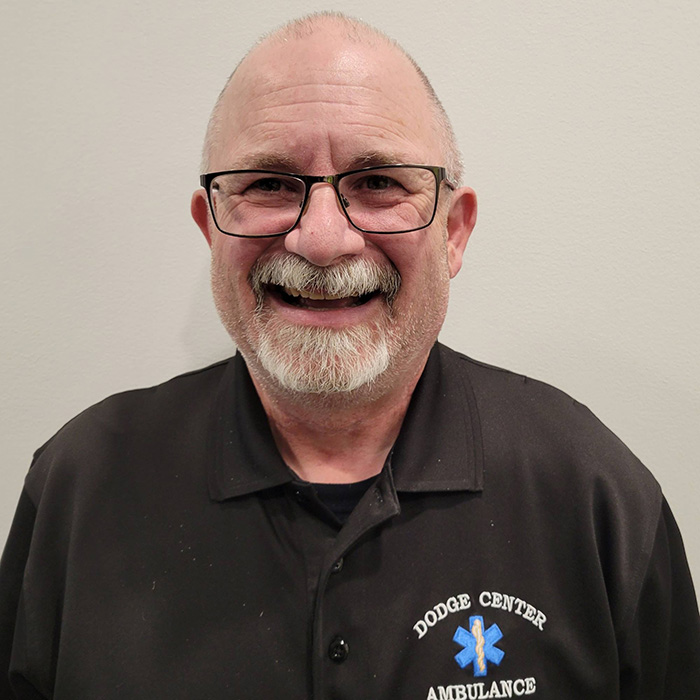
Winter in Minnesota can be both beautiful and brutal. As a paramedic, I’ve seen firsthand how quickly things can go wrong when temperatures drop and snow starts piling up. Follow these tips to stay safe and healthy this winter season.
1. Winterize Your Vehicle and Plan Ahead
Minnesota roads can get treacherous fast. Even routine drives can turn dangerous in icy conditions. Here’s what I recommend to help keep you safe:
Prepare Your Car: Get a winter tune-up, check your battery, and make sure you’re using winter tires or chains for added grip. I also recommend keeping an emergency kit in your car, including a warm blanket, extra clothes, water, snacks, a flashlight, and a small shovel.
Drive Defensively: I’ve seen too many accidents where drivers weren’t prepared for sudden icy patches. Slow down, leave extra space between vehicles, and avoid sudden braking or sharp turns. Black ice can form unexpectedly—especially on bridges and overpasses.
2. Bundle Up—Hypothermia and Frostbite Are Real Dangers
Working in Emergency Medical Services for over 30 years, I know how quickly cold-related injuries can escalate. Hypothermia and frostbite can set in within minutes on extremely cold days, so protect yourself:
Dress in Layers: Layers trap heat better, starting with a moisture-wicking base, followed by an insulating layer, and finally a waterproof, windproof outer layer.
Cover All Skin: Fingers, toes, nose, and ears are the most vulnerable to frostbite. Wear gloves, a hat, a scarf, and warm socks. If you feel numbness or tingling, get inside and warm up—these can be early signs of frostbite.
Stay Dry: Wet clothes accelerate heat loss, which can lead to hypothermia. If you get wet, change into dry clothing as soon as possible.
3. Heat Your Home Safely
During winter, the risk of house fires and carbon monoxide (CO) poisoning rises. Our service responds to CO poisoning calls each winter, and they’re entirely preventable:
Check Heating Equipment: Make sure your furnace and space heaters are in good condition and away from anything flammable. Never use outdoor heaters, like grills, inside.
Install and Check CO Detectors: CO is odorless, colorless, and deadly. Having detectors on every floor and checking them regularly is essential, especially if you use a fireplace or gas heater.
Stay Fire Safe: If you use a fireplace, ensure the chimney is clean and in good repair. Don’t overload outlets with holiday lights or heating devices.
4. Prepare for Power Outages
Winter storms often knock out power, leaving homes without heat and light. Here’s how you can prepare:
Stock Up on Essentials: Blankets, water, non-perishable food, a flashlight, and a first-aid kit are essential if power goes out for extended periods.
Protect Your Pipes: Freezing pipes can burst, flooding your home. Keep a small trickle of water running and consider insulating exposed pipes.
5. Stay Connected and Informed
In an emergency, staying connected with others can make a critical difference:
Charge Phones and Keep a Backup Power Source: Make sure your phone is charged, and carry a portable charger, especially when traveling.
Monitor Weather Alerts: Download a weather app for real-time alerts on severe conditions. Staying informed helps you make safer choices.
With these precautions, you’ll be much better prepared to handle Minnesota’s winter. Remember, if you ever feel unsafe, don’t hesitate to call 911—better safe than sorry. Stay warm, stay prepared, and have a safe winter season.
Dodge Center Ambulance strives to provide high quality, reliable, and sustainable ambulance service to the residents and visitors of our community.
John Fox is the assistant ambulance director at the Dodge Center Dodge Center Ambulance.