


Celebrating Kinship Care Month: A vital support for children and families
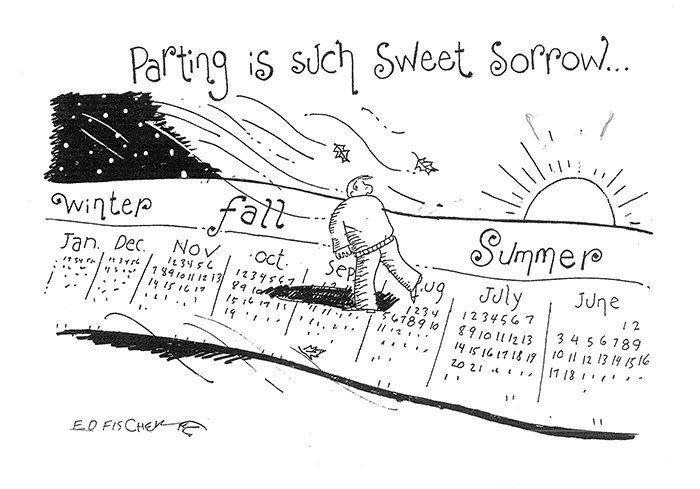
As September marks Kinship Care Month, we take this opportunity to recognize and celebrate the essential role of kinship caregivers—grandparents, aunts, uncles, older siblings, and close family friends—who step in to provide safe, loving, and stable homes for children when their parents cannot. Throughout this month, our agency emphasizes the importance of supporting these families, highlighting the unique value kinship care brings to child welfare and calling for continued investments in services that uplift and empower these caregivers.
It has long been recognized that when children must be removed from their birth parents, placement with a relative or someone with a close relationship to the child often leads to better outcomes. Children in kinship care tend to experience greater stability, maintain a stronger sense of identity and belonging, and are more likely to remain connected to their cultural heritage. These caregivers help minimize the trauma associated with entering the child welfare system, allowing children to heal within the familiarity of family.
In many cases, kinship caregivers step up in times of crisis—often unexpectedly—shouldering significant emotional, financial, and logistical burdens. Many of them are retirees living on fixed incomes, or they may already have other dependents to care for. Yet, despite these challenges, they rise to the occasion, driven by love and a commitment to family. It is imperative that, as a society, we acknowledge and support these caregivers by ensuring they have the resources they need to succeed. Over 70% of youth placed outside their biological home are living with kin. We thank all Kinship caregivers for their commitment.
Here at Minnesota Prairie County Alliance, we recognize the importance of ensuring that kinship caregivers are provided with the same access to resources and services as non-relative foster families. This includes financial assistance, mental health support, respite care, legal aid, and access to specialized training for handling trauma. While many of these services exist, kinship caregivers often face barriers to accessing them due to a lack of awareness, complicated processes, or eligibility restrictions. As part of our mission during Kinship Care Month and beyond, we are committed to streamlining these processes and expanding services to ensure that no caregiver is left without the support they need.
Equally critical is the need for public awareness and policy advocacy. We must work to remove the stigma that may be attached to seeking assistance, as well as promote policies that recognize and reinforce the value of kinship care. For too long, many kinship caregivers have been overlooked in broader conversations about child welfare. This September, let us advocate for policies that provide financial equity for kinship caregivers and ensure that children living with relatives receive the same support as those in traditional foster care placements.
Additionally, Kinship Care Month is a time to celebrate the successes that these caregivers and children have achieved. Behind every statistic is a story—a grandparent who raised their grandchildren after losing their own child, or an older sibling who became a legal guardian to keep the family together. These stories remind us that family is often the bedrock of resilience, and kinship care provides the stability and love that all children deserve.
As we move forward, it is essential for child welfare systems and policymakers to continue fostering partnerships with kinship caregivers. Our agency is committed to making these relationships a priority, advocating for kinship caregivers’ voices to be heard, and tailoring our services to meet their unique needs.
In closing, Kinship Care Month is a time for both reflection and action. We reflect on the immense contributions of kinship caregivers and the significant role they play in ensuring the well-being of children. But we must also act—by supporting these families, advocating for equitable policies, and ensuring that kinship caregivers have access to the resources and assistance they need to thrive.
To all the kinship caregivers out there: thank you. Your commitment and love are invaluable to the children in your care, and your efforts strengthen our communities. Let us use this month as a reminder that you deserve not only recognition but also ongoing support in the critical work you do.
Patricia Harrelson is the program manager for Child and Family Social Services for MNPrairie County Alliance in Owatonna.