


Newspaper history comes to life
There are not many opportunities for the newspaper industry to showcase what life was once like in the business many years ago. But there is one chance thousands of visitors to the Minnesota State Fair get each year to catch a glimpse of living history of newspapers.
It’s the Minnesota Newspaper Museum now in its 29th year at the state fair. Since it started in 1987, the museum has been a hot spot for fairgoers. More than 1.5 million people have come through the museum’s doors since the beginning.
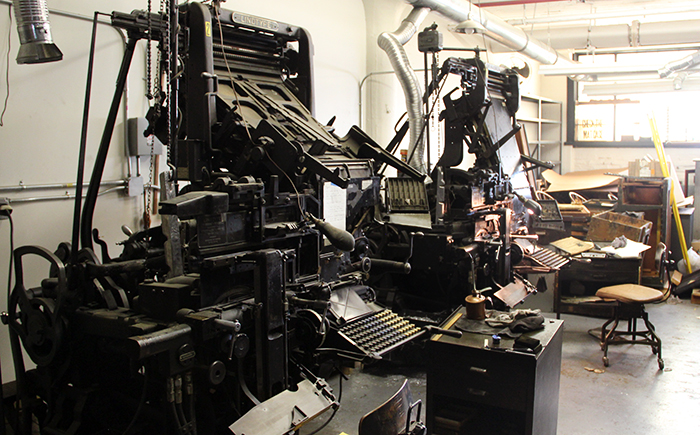
The biggest attraction in the museum is the Linotype machine. There are two old Linotypes on display. The Model 5 was built in the early part of the 20th century. The machine has been rebuilt and was used as a working press until 1976. The second machine is a more modern type, built in the early 1960s.
Thomas Edison once referred to the Linotype as the “eighth wonder of the world.”
No matter what time of the day, crowds gather around the machines with awe and fascination beaming from them as the machines give off distinct smells and sounds.
The museum is not just a display of printing equipment. It is a working museum with printers actually doing the job. A small newspaper called the Maynard News is printed in front of fairgoers and given to them as a keepsake. This is what makes the museum a true treasure in my heart. The whole experience is an inspiring tribute to our industry’s past.
As I grow older, I have a deeper appreciation of historical items, especially from a business that I strongly believe in. The Linotype, for example, is one of those items that helped define the newspaper industry, as we know it today.
Linotypes were responsible for printing weekly newspapers like the DCI for decades. The machine has 35,000 parts, springs, pulleys, wheels and gears. Only Lino operators knew how to maintain their machine.
The day-to-day work of Lino operators was to convert words typed or scrawled on paper into metal wafers called “slugs” that has words cast on one edge. When collected and locked up, hundreds or thousands of slugs provided became the raised surfaces essential to letterpress printing.
During the fair, volunteers, mostly retired printers and current newspaper publishers and editors, staff the museum and answer questions to the public. For several years, I have been blessed to serve on the Minnesota Newspaper Foundation, the governing board of the museum. I also take a shift every year working in the museum.
I actually feel kind of right at home at the museum. It got started 29 years ago thanks to the efforts of Chuck Warner, who was my first boss back at the Brownton Bulletin where I started working in eighth grade. Warner, 92, still contributes financially to the museum.
There are around 370 newspapers being published in all 87 counties of Minnesota. Of those, 28 are daily papers and 45 college newspapers. The rest are bi-weekly or weekly newspapers like the DCI. Dodge County is home to two newspapers.
Newspapers are vital because they write Minnesota’s history one week at a time. I think it’s important for people to realize the roots of the state’s papers. And the fair museum is one way to do that.
Next year we will be planning a big splash during the fair for the museum’s 30th anniversary.
It’s not every day people can go in hot pursuit of living history that comes to life and educates them on years gone by.