


Life as a woman
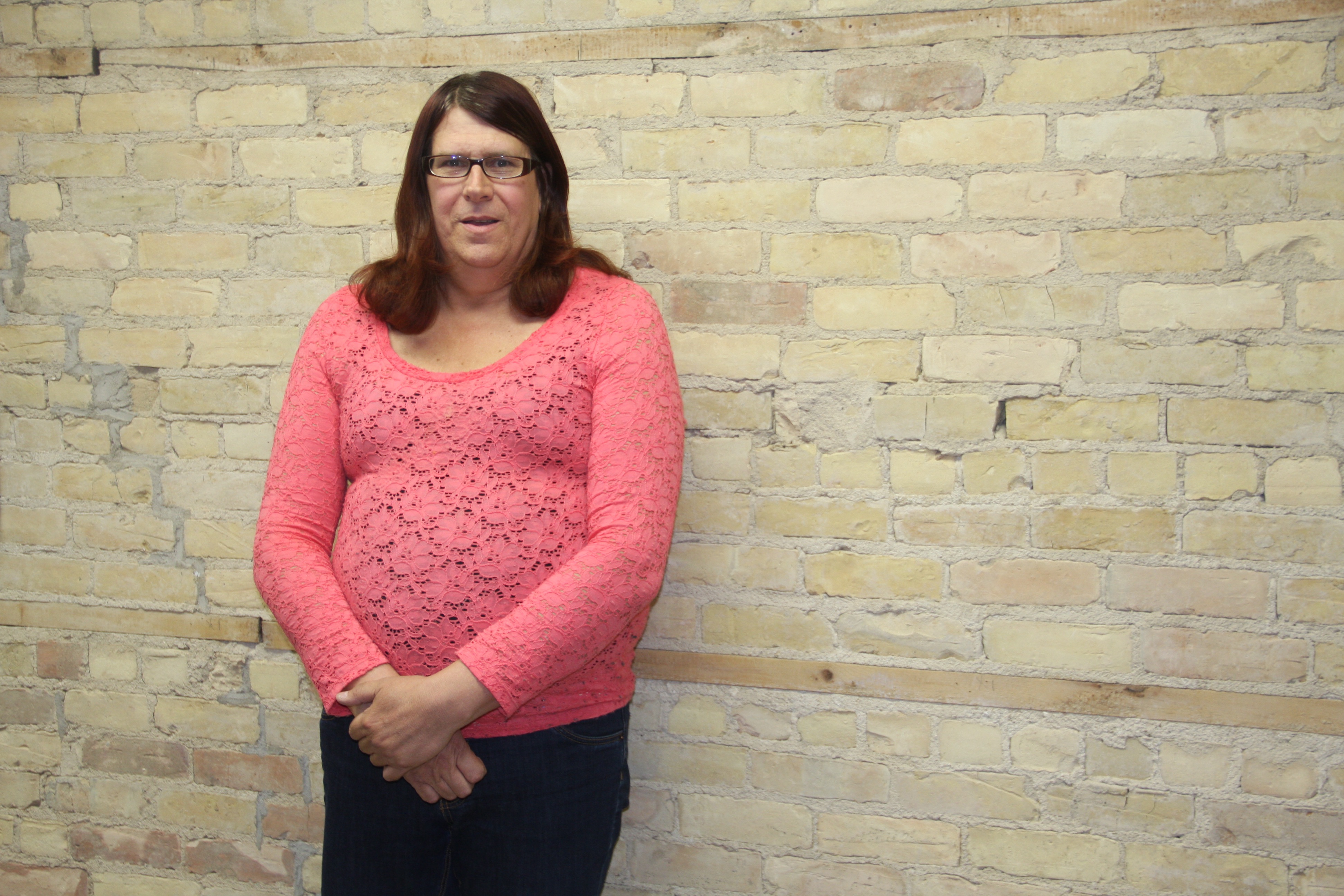
Olympic champion Bruce Jenner’s gender identity has been in the national spotlight since he announced on “20/20” last month, “For all intents and purposes, I’m a woman.”
Jenner said that as a child he’d dress up in female family members’ clothing, then carefully place the clothing back in the dressers or closets where he’d found it to ensure he wasn’t caught.
Jenner’s decades-long secret resonates with Austin’s Rebecca Campbell, who did the same thing growing up. Campbell was a stay-at-home father in Blooming Prairie from 1991-94 when he — now she — resumed wearing women’s clothing for the first time since the early 1970s.
“I was trying to look for work and was coming to the Cities,” she said. “I would have an interview, then go somewhere and dress. I was using (interviews) as an excuse to go dress.”
Campbell, like Jenner, has been married and is attracted to women. Both now also identify as women; Campbell has been taking female hormones for years and changed her name about a year ago from Brian to Rebecca.
Jenner’s gender-identity announcement to the world was calculated. Campbell’s wasn’t.
In April 2011, Campbell was in the Twin Cities watching a Minnesota Golden Gophers game and posted a Facebook picture of herself wearing women’s clothing. She accidentally posted it in a place visible to everyone, angering two of her five children.
One of the daughters who were upset said she wouldn’t have a problem if Campbell were gay or having a sex-change procedure, Campbell said, prompting her to research gender reassignment for the first time.
She said that until then, she hadn’t known what the word “transgender” meant. The only person she’d ever heard of who’d undergone gender reassignment was tennis star Renee Richards, in the mid-1970s.
Campbell learned that the first steps toward becoming female were finding a doctor to prescribe hormones, as well as letting her hair grow.
“So in March of 2012, I told my supervisor on a Wednesday that on Friday, I was going to start wearing women’s clothes,” she said. “So the first assumption (from men in the workplace) was, ‘Brian’s gay. I wonder if he’s gong to start hitting on me.’”
That year, Campbell was able to participate in a University of Minnesota human-sexuality program.
“I had a couple of visits with a therapist, and at the end of the second, she’d already put down ‘gender-identity disorder’ right in my files,” she said.
Campbell began taking Spironolactone, a testosterone blocker. She soon graduated to estrogen patches and began weekly estrogen self-injections in 2013.
She noticed changes in her body but didn’t feel a chemical change in her brain until last May.
“People noticed I’d become calmer, less aggressive, not so obstinate (and) standoffish,” Campbell said. “My whole demeanor had changed. I didn’t notice it, but other people did.”
She likened the process to being a girl going through puberty in a 56-year-old man’s body.
Campbell, who grew up in South St. Paul, acknowledges that rural Minnesota isn’t as open-minded about her manner of dress as the Twin Cities, where she attends weekly support group sessions for the transgendered. But she added that she loves the region, as well as small-town life.
She doesn’t wear dresses, just women’s jeans and women’s T-shirts.
“That’s what I’ve always been comfortable in,” she said.
Campbell remains hurt by some family members’ negative reaction but has gained strength through her support group.
“When you decide to transition, you know if you get information there’s a possibility you can lose all your family, all your friends, you’ll never work another day in your life, you can become homeless,” she said.