


High school pitch limit recommended
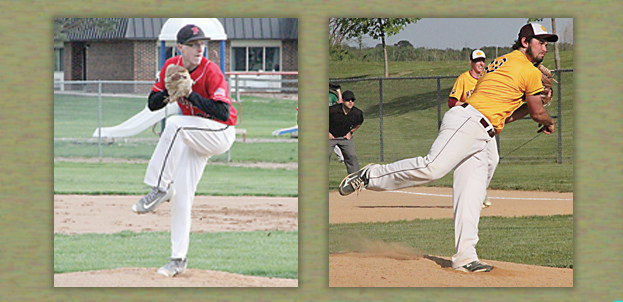
With spring high school baseball, summer little league or legion ball, and camps in the winter, baseball is becoming a year-round sport.
All of that throwing can put wear and tear on even the younger pitchers.
With that in mind, the National Federation of State High School Associations last week, directed its members to regulate the number of pitches a high school player can throw in a game over concerns about overworking young arms.
The limits must go into effect in the spring of 2017. The federation did not proscribe a specific number, leaving it in the hands of the states to establish their own limit at this time.
Some states were proactive by already establishing pitch limit guidelines, including Minnesota. In May, the Minnesota State High School League recommended that juniors/seniors pitch a maximum of 105 pitches followed by three days of rest; 75 pitches then two days’ rest; and 30 pitches on back-to-back days with rest on the third day. Sophomores and younger can throw 85 pitches followed by three days of rest. Those numbers may only be exceeded to finish the batter they are facing when they reach that maximum number.
The current rule is 14 innings every three days, which could lead to 35 innings in a seven-day period.
The pitch limit proposal will be reviewed by members of the Minnesota State Coaches’ Association in October.
Local high school baseball coaches see benefits to the recommended rule, including New Richland-Hartland-Ellendale Geneva head coach Drew Paukert who used his senior ace Dempsey Tucker quite a bit last spring.
“You see often times these days that kids get to the varsity level with their arms burnt out already before their senior seasons,” said Paukert. “With replacing an inning per day rule with a pitch number rule, it should further help reduce the wear and tear on the boys’ arms.”
Medford head coach Jon Chappuis feel the recommendations are fair as well. While a pitch count is important, limiting the number of months a player is throwing throughout the year is important as well.
“I think just as important is that the overhead throwing over how many months in a year is as important, if not, more important for healthy arms,” said Chappuis. “I feel that it is more important that players have 3-4 months off of above the shoulder throwing per year.”
Chappuis recommends that his players not throw for at least four months if possible, but knows it is tough to do if one of his players is a quarterback in football or a basketball player where they have to shoot overhead.
Both Paukert and Chappuis agree that this rule recommendation will change how teams use their pitchers and how deep your pitching depth is can determine how deep your team goes in the playoffs.
Above all else though is making sure players stay healthy.
“This puts everyone on the same playing level and teams will have to prepare a bigger number of pitchers,” said Chappuis. “The player’s safety has to be a priority for all coaches and this will help arms stay healthier.”